

Important Points
- Fresh fish suits quick, delicate cooking within a day or two of purchase
- Frozen fish is often flash-frozen at peak quality and ideal for soups and stews
- Thaw frozen fish overnight in the fridge, never under warm water
- Splitting the week between fresh and frozen keeps meal prep flexible and low-waste
Introduction
Meal prep only works if the ingredients hold up, and seafood is where a lot of plans fall apart. Some people swear by buying whole and fresh each week; others lean on the freezer for convenience. Both can work well, but knowing when to pick which one saves money and cuts down on waste. If you’re weighing fresh whole fish delivery against a stocked freezer, the answer usually depends on how soon you’re cooking and what you’re making, whether that’s a quick pan-fry or a batch of easy fish soup recipes for the week ahead.
When Fresh Makes More Sense
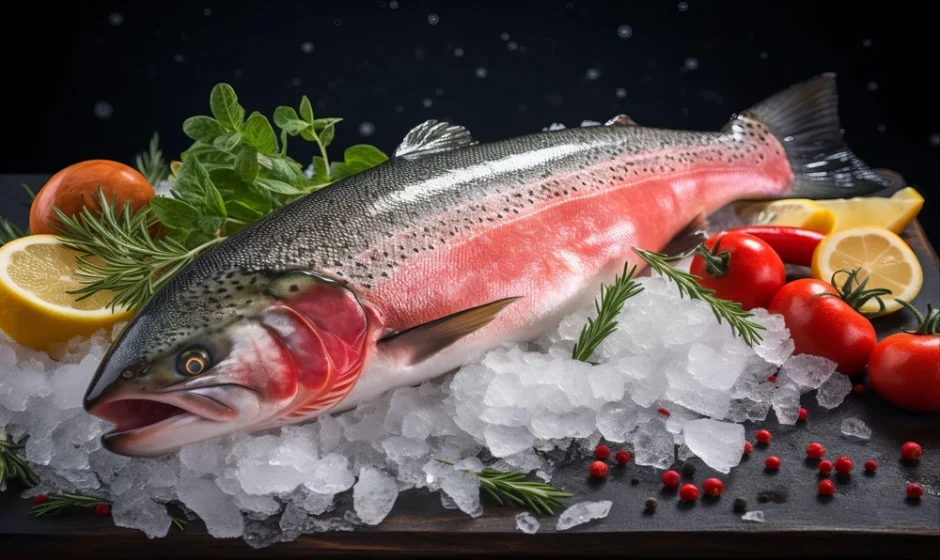
Fresh fish is the better call when you’re cooking within a day or two and want the best texture – think steaming, grilling, or searing, where the flesh needs to hold its shape. It’s also worth it when a recipe depends on delicate flavour, since freezing can slightly change how the fish tastes once thawed. If your schedule allows for a fresh whole fish delivery early in the week, planning two or three meals around it makes the most of that freshness before quality starts to drop.
When Frozen Is the Smarter Choice
Frozen fish isn’t a downgrade – it’s often flash-frozen within hours of catch, locking in quality before it has a chance to decline. Weigh up these points before deciding:
- Portions store well and thaw only what’s needed, cutting down on waste
- Prices tend to be steadier, making it easier to stock up during a sale
- Texture matters less in dishes where the fish is flaked or simmered
- It suits households that only cook seafood once or twice a week
None of this makes frozen the “lesser” option – it’s simply suited to a different pace of cooking.
Storing and Thawing Properly
However you buy it, storage decides how well the fish holds up. Fresh whole fish delivery should go straight into the coldest part of the fridge and be used within a day or two. Frozen fish needs slow thawing – overnight in the fridge works best, since a quick thaw under warm water affects texture and can lead to uneven cooking. Labelling frozen portions with the date they went in also helps avoid guessing later, especially once a few different cuts start piling up in the same drawer.
Building a Week of Meals Around Either
A mixed approach often works best for meal prep. Here’s a simple way to split a typical week:
| Day(s) | Fish Type | Suggested Use |
| Mon-Tue | Fresh | Steamed or grilled fillets |
| Wed-Thu | Frozen | Easy fish soup recipes, curries |
| Fri | Fresh (topped up) | Pan-fried or baked |
| Weekend | Frozen (leftover portions) | Stews, broths |
Soups and broths are especially forgiving, since simmering brings out flavour regardless of whether the fish started fresh or frozen. Portioning frozen fish into meal-sized bags before freezing also makes weeknight cooking far less of a hassle.
Conclusion
Fresh and frozen aren’t really competitors – they each suit different parts of a week’s cooking. Fresh works best close to purchase, while frozen holds steady for whenever life gets busy. Knowing which to reach for, and storing both properly, is what actually keeps meal prep on track.
Contact Catch of the Day to arrange a fresh whole fish delivery or ask which frozen cuts are best for stocking up this week.